Bird Field Marks For Beginners

A beginner-friendly guide to the field marks birders use most often, including wing bars, eye rings, masks, streaking, and tail patterns.

Field marks are the repeatable visual clues that make bird identification faster and more reliable.

Visual comparison board

These reference photos come from the SmartBirds species library so the written comparison stays anchored to real bird examples.

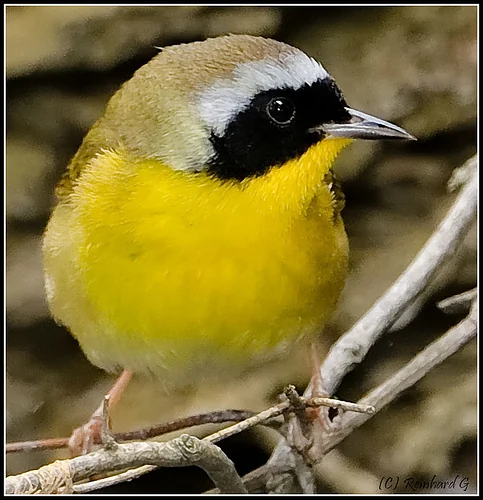
Common Yellowthroat perched on a branch with bright yellow underparts.

Common Yellowthroat

Head pattern and throat color make this a strong face-mark example.

Open species page
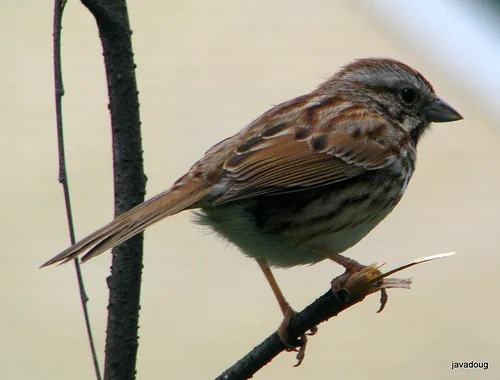
Song Sparrow perched with heavy breast streaking and a central breast spot.

Song Sparrow

Breast streaking and a central spot are classic repeatable field marks.

Open species page
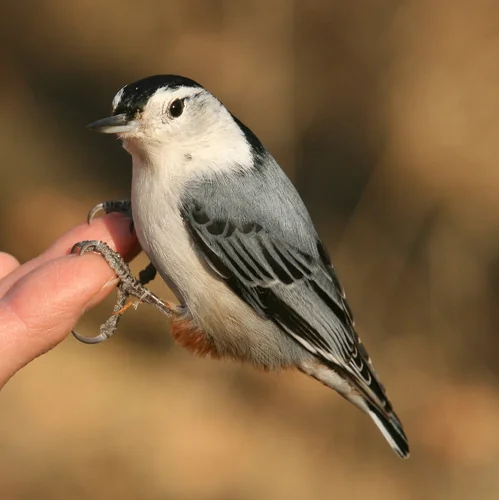
White-breasted Nuthatch clinging to bark with a white face and dark cap.

White-breasted Nuthatch

Clean face contrast and bark-clinging posture are high-value structural clues.

Open species page

What this guide covers

  • What field marks actually are
  • The highest-value marks to learn first
  • Field marks work best in combinations
  • Use species pages to build pattern memory

Sources and references

These references support the bird-identification logic used in this guide and are useful for cross-checking field marks.

  • The 4 Keys to Bird Identification (Official, Cornell Lab of Ornithology) - Foundational bird-ID framework centered on size and shape, color pattern, behavior, and habitat.
  • Bird ID Skills: Field Marks (Official, Cornell Lab of Ornithology) - Practical reference for using repeatable visual clues rather than guessing from color alone.
  • Merlin Bird ID Photo ID (Official, Cornell Lab of Ornithology) - Official reference for photo-based bird-ID workflow and expectations.
Related reading