Yellow Birds You Might Confuse

A guide to yellow birds that look alike in photos, including the marks that matter when bright plumage is not enough.

Yellow birds are highly searched because people remember the color first. The real ID work comes from shape, face pattern, and habitat.

Visual comparison board

These reference photos come from the SmartBirds species library so the written comparison stays anchored to real bird examples.

Yellow Warbler perched on a branch with a small thin bill and bright yellow plumage.

Yellow Warbler

Thin bill and compact warbler shape matter more than the yellow wash alone.

Open species page
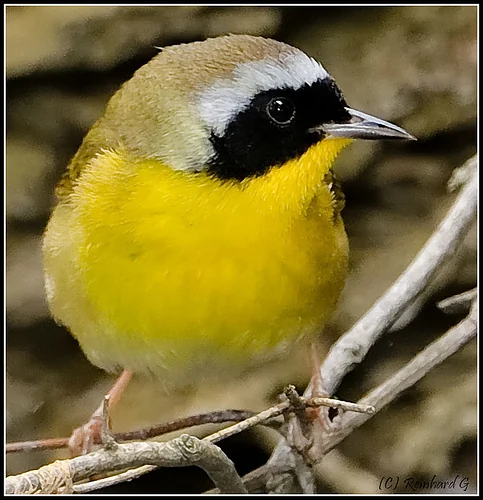
Common Yellowthroat perched on a branch with bright yellow underparts.

Common Yellowthroat

The masked face and marshy posture help separate it from cleaner-faced yellow birds.

Open species page
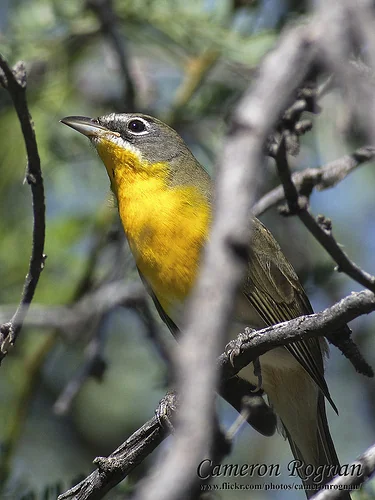
Yellow-breasted Chat perched with a heavier body, bright throat, and long tail.

Yellow-breasted Chat

Heavier body and longer tail keep it from reading like a simple small warbler.

Open species page
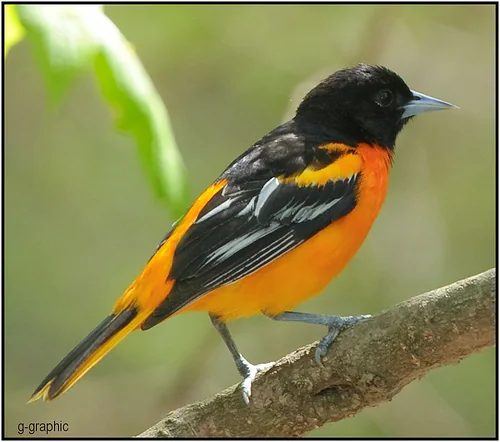
Baltimore Oriole with bright orange and black plumage perched on a branch.

Baltimore Oriole

Orange-leaning plumage and strong black contrast keep orioles out of the plain yellow bucket.

Open species page

What this guide covers

  • Why yellow is not enough
  • Face pattern is often the tie-breaker
  • Notice the bill and body proportions
  • Use the wrong prediction as a clue, not a dead end

Sources and references

These references support the bird-identification logic used in this guide and are useful for cross-checking field marks.

  • The 4 Keys to Bird Identification (Official, Cornell Lab of Ornithology) - Foundational bird-ID framework centered on size and shape, color pattern, behavior, and habitat.
  • Bird ID Skills: Field Marks (Official, Cornell Lab of Ornithology) - Practical reference for using repeatable visual clues rather than guessing from color alone.
  • Merlin Bird ID Photo ID (Official, Cornell Lab of Ornithology) - Official reference for photo-based bird-ID workflow and expectations.

Related reading