How To Photograph Birds For Identification

Take better bird photos for identification by improving framing, focus, lighting, and the parts of the bird you keep visible.

Better photo capture leads to better IDs. These habits make the bird easier to review and compare.

Visual comparison board

These reference photos come from the SmartBirds species library so the written comparison stays anchored to real bird examples.

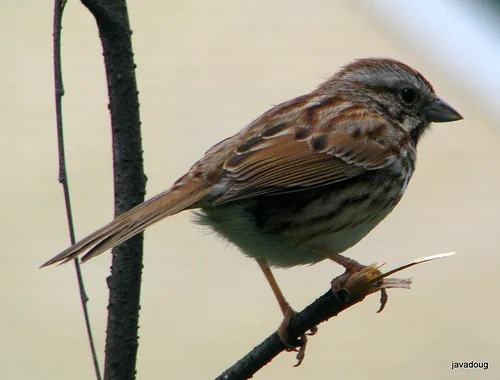
Song Sparrow perched with heavy breast streaking and a central breast spot.

Song Sparrow

A full-body side view keeps streaking, bill shape, and tail length readable.

Open species page
Downy Woodpecker clinging to a tree trunk with a small bill and black-and-white pattern.

Downy Woodpecker

Keeping the whole bird in frame preserves bill-to-head proportion and posture.

Open species page
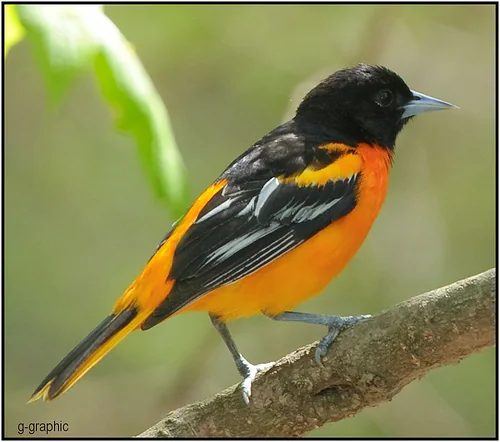
Baltimore Oriole with bright orange and black plumage perched on a branch.

Baltimore Oriole

Clean exposure helps retain dark-versus-bright contrast that often gets blown out.

Open species page

What this guide covers

  • Keep the whole bird in the frame when possible
  • Sharp eyes matter more than dramatic backgrounds
  • Shoot a short burst if the bird is moving
  • Think like an identifier, not only a photographer

Sources and references

These references support the bird-identification logic used in this guide and are useful for cross-checking field marks.

  • The 4 Keys to Bird Identification (Official, Cornell Lab of Ornithology) - Foundational bird-ID framework centered on size and shape, color pattern, behavior, and habitat.
  • Bird ID Skills: Field Marks (Official, Cornell Lab of Ornithology) - Practical reference for using repeatable visual clues rather than guessing from color alone.
  • Merlin Bird ID Photo ID (Official, Cornell Lab of Ornithology) - Official reference for photo-based bird-ID workflow and expectations.
Related reading