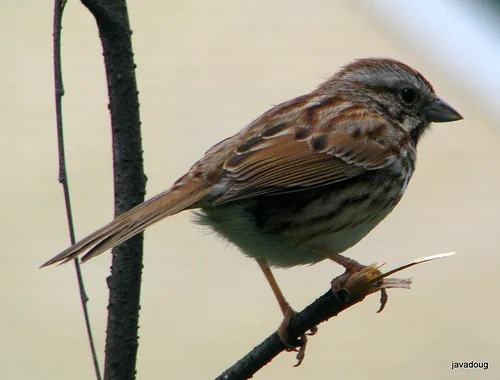
Little Brown Birds In The Yard: Where To Start
A practical starting guide for identifying little brown birds in the yard using family-level clues instead of guessing species too early.
Many backyard IDs begin with “small brown bird.” This guide shows how to turn that vague description into a shorter, smarter candidate list.
Visual comparison board
These reference photos come from the SmartBirds species library so the written comparison stays anchored to real bird examples.
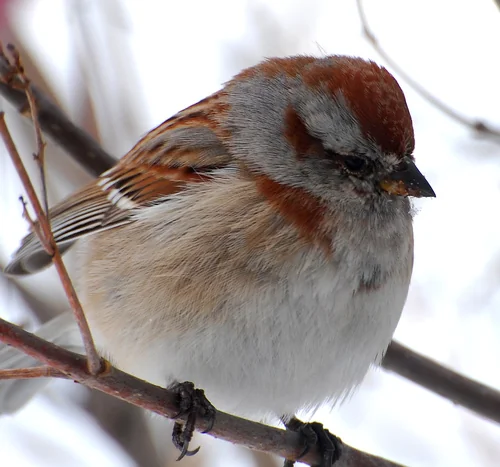
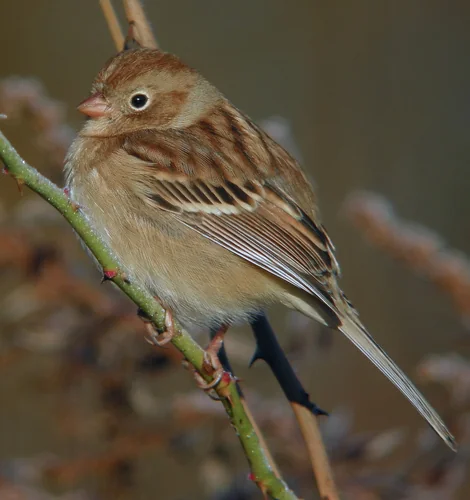

What this guide covers
- Treat it as a family problem first
- Bill and tail shape remove huge numbers of options
- Pattern matters more than shade
- Repeat views are your advantage
Sources and references
These references support the bird-identification logic used in this guide and are useful for cross-checking field marks.
- The 4 Keys to Bird Identification (Official, Cornell Lab of Ornithology) - Foundational bird-ID framework centered on size and shape, color pattern, behavior, and habitat.
- Bird ID Skills: Field Marks (Official, Cornell Lab of Ornithology) - Practical reference for using repeatable visual clues rather than guessing from color alone.
- Song Sparrow, All About Birds (Official, Cornell Lab of Ornithology) - Official Cornell Lab species guide used for field-mark, habitat, and behavior checks.