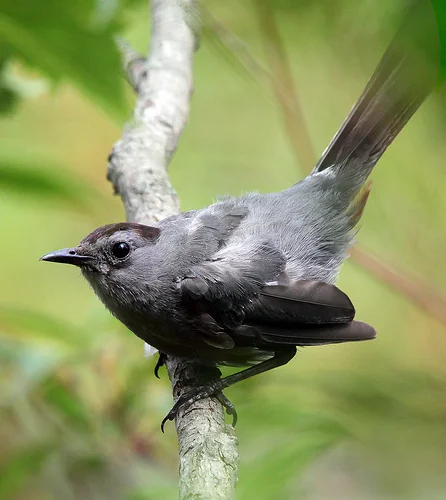
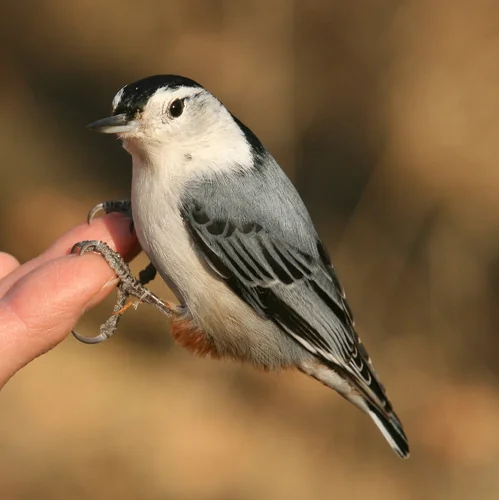
Perch height and movement style are useful evidence
Build a short candidate list before choosing a species
Sources and references
These references support the bird-identification logic used in this guide and are useful for cross-checking field marks.
The 4 Keys to Bird Identification (Official, Cornell Lab of Ornithology) - Foundational bird-ID framework centered on size and shape, color pattern, behavior, and habitat.
Gray Catbird, All About Birds (Official, Cornell Lab of Ornithology) - Official Cornell Lab species guide used for field-mark, habitat, and behavior checks.
Tufted Titmouse, All About Birds (Official, Cornell Lab of Ornithology) - Official Cornell Lab species guide used for field-mark, habitat, and behavior checks.
Black-capped Chickadee, All About Birds (Official, Cornell Lab of Ornithology) - Official Cornell Lab species guide used for field-mark, habitat, and behavior checks.