
Spring Warblers In The Eastern US: How To Narrow Fast-Moving Songbirds
Use habitat, movement, face pattern, and a small starter set of common species to make spring warbler identification in the eastern US less overwhelming.
Spring warblers feel impossible when everything is moving at once. This guide gives a practical eastern-US starting framework instead of a giant species dump.
Visual comparison board
These reference photos come from the SmartBirds species library so the written comparison stays anchored to real bird examples.
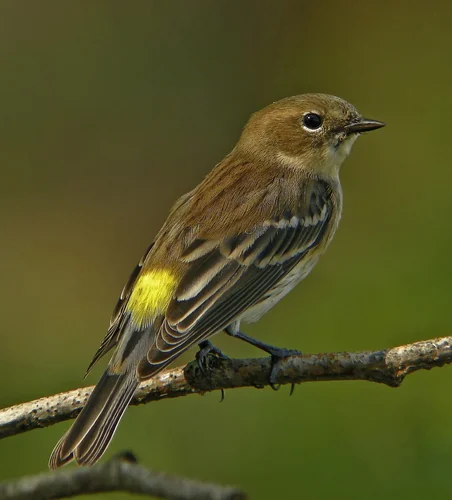
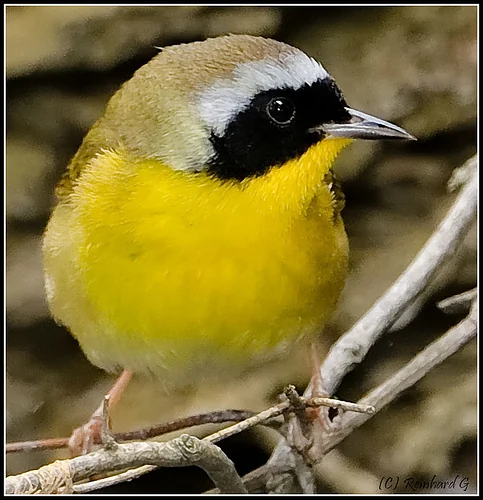

What this guide covers
- Start with a small spring starter set
- Habitat and height in the vegetation matter
- Use pattern blocks instead of chasing every tiny mark
- Do not force certainty from one moving photo
Sources and references
These references support the bird-identification logic used in this guide and are useful for cross-checking field marks.
- How to Find a Great Birding Spot for Spring Migration (Official, Cornell Lab of Ornithology) - Official Cornell Lab migration guide used for habitat, weather, and BirdCast-oriented spring-migration advice.
- Yellow Warbler, All About Birds (Official, Cornell Lab of Ornithology) - Official Cornell Lab species guide used for field-mark, habitat, and behavior checks.
- Yellow-rumped Warbler, All About Birds (Official, Cornell Lab of Ornithology) - Official Cornell Lab species guide used for field-mark, habitat, and behavior checks.
- Common Yellowthroat, All About Birds (Official, Cornell Lab of Ornithology) - Official Cornell Lab species guide used for field-mark, habitat, and behavior checks.
- Black-and-white Warbler, All About Birds (Official, Cornell Lab of Ornithology) - Official Cornell Lab species guide used for field-mark, habitat, and behavior checks.
- The 4 Keys to Bird Identification (Official, Cornell Lab of Ornithology) - Foundational bird-ID framework centered on size and shape, color pattern, behavior, and habitat.