Downy Vs Hairy Woodpecker

Use bill length, outer-tail pattern, and overall proportions to tell Downy and Hairy Woodpeckers apart on feeders and trunks.

Downy and Hairy Woodpecker are one of the highest-value comparison pairs in North American birding because the plumage pattern is so similar.

Visual comparison board

These reference photos come from the SmartBirds species library so the written comparison stays anchored to real bird examples.

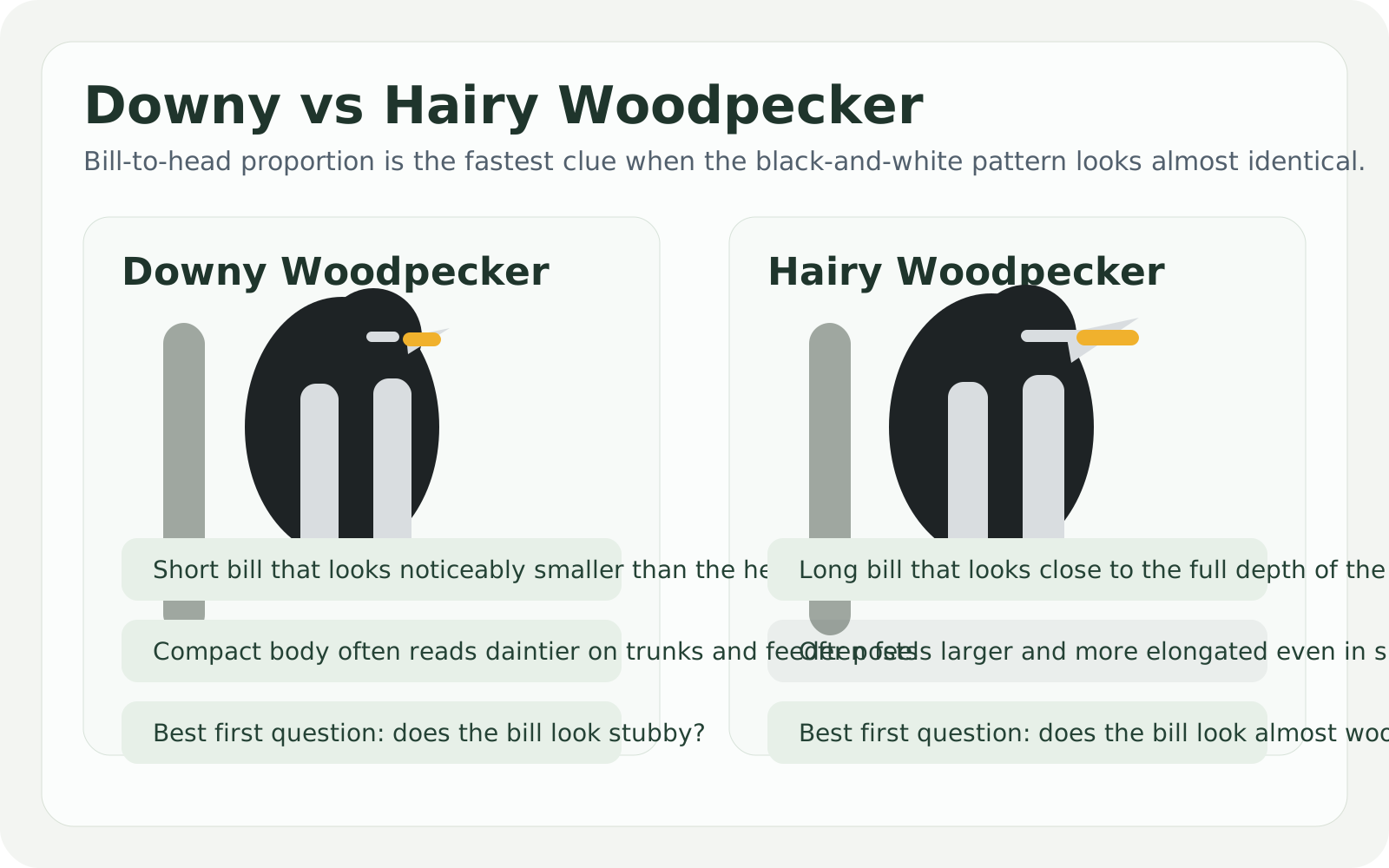
Illustrated comparison board showing Downy and Hairy Woodpecker bill-to-head proportions side by side.

Woodpecker bill comparison board

The first pass here should be bill length relative to head size, because plumage alone can stay confusing even in good photos.

Open species page
Downy Woodpecker clinging to a tree trunk with a small bill and black-and-white pattern.

Downy Woodpecker

The small bill and compact frame are the anchor points for this comparison.

Open species page
Red-bellied Woodpecker clinging to bark with a bold laddered back pattern.

Red-bellied Woodpecker

Useful larger-woodpecker reference when judging scale and bill heft.

Open species page
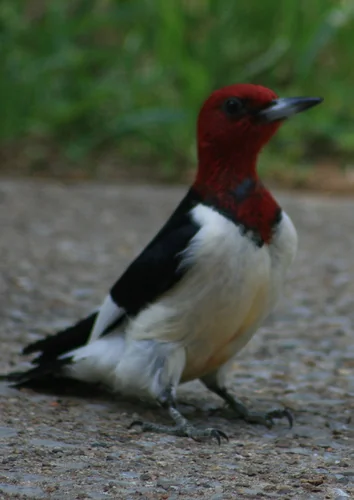
Red-headed Woodpecker perched on a branch with a solid red head and strong bill.

Red-headed Woodpecker

Shows how a stronger head block and heavier bill change the silhouette.

Open species page
Pileated Woodpecker on a large trunk with a prominent red crest.

Pileated Woodpecker

Extreme size reference that makes bill-to-head proportion easier to think about.

Open species page

What this guide covers

  • Bill length is the best field mark
  • Outer tail feathers can confirm the ID
  • Size is less reliable unless you have a direct comparison
  • Backyard context still helps

Sources and references

These references support the bird-identification logic used in this guide and are useful for cross-checking field marks.

Related reading